
Elon Musk Claims X Algorithm Will Become Open Source
- Gavin Phillips
- Jan 12
- 2 min read
Revealing all code related to organic and advertisement post recommendations and updating it biweekly with developer annotations.
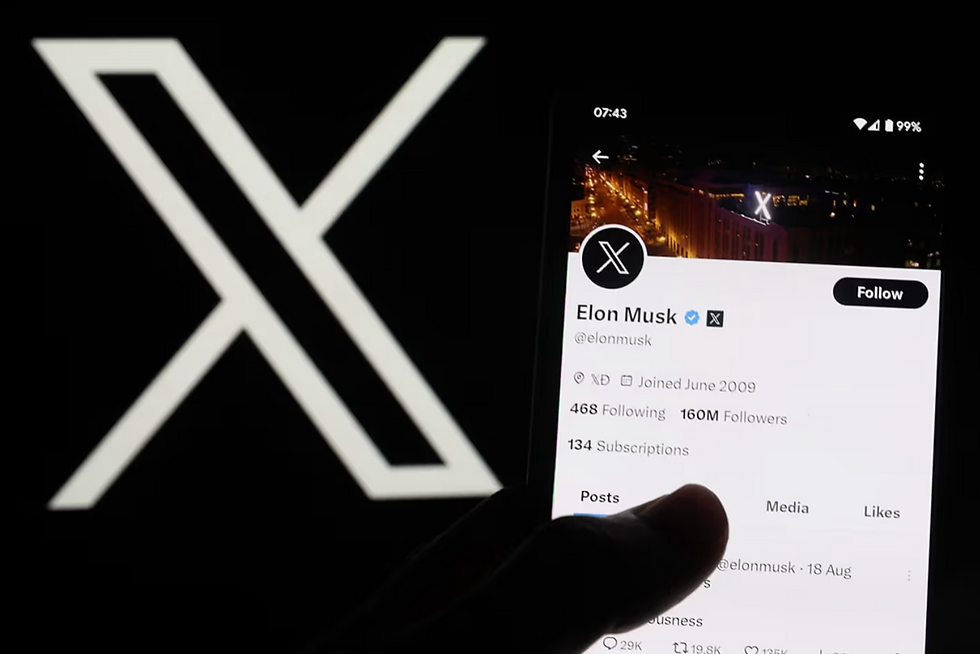
Elon Musk is once more pledging to unveil the underlying mechanisms of your X feed. This time, the commitment is more audacious. The firm will deliver an updated, entirely open-source recommendation stack every four weeks, accompanied by developer notes resembling release notes for your timeline. The commitment focusses on the fundamental ranking algorithm that determines which posts appear on your “For You” page and which brand messages resonate. Musk stated that the objective is to optimise "unregretted user-seconds" by highlighting content that individuals are most inclined to find engaging. The new concept transparently integrates both organic content and advertising strategies, at least theoretically.
The timing is overt. X faces scrutiny from the EU's Digital Services Act, a new data-retention mandate concerning its algorithms and Grok, as well as political criticism about AI-generated sexualised imagery on the platform. French regulators have requested transparency about purported algorithmic bias and manipulation, whereas Indonesia and the UK have taken action against Grok's imaging products. Open-sourcing serves as both a legal safeguard and a narrative shift towards "radical transparency".
This location possesses historical significance. In 2023, Twitter released segments of its "For You" code on GitHub, subsequently neglecting its maintenance. xAI replicated this process with their Grok-1 model, while internal development progressed to Grok-3. The new X algorithm release is presented as a reboot: it features regular updates, annotated similarly to patch notes, resembling Tesla’s over-the-air frequency rather than a singular transparency initiative.
If Musk fulfils his promises, creators and brands may begin to comprehend the system they are attempting to manipulate, rather than merely speculating about trends. Researchers may evaluate how X manages political discourse, hate speech, automated accounts, and specialised subcultures in real time. For a platform that continues to present itself as the internet's dynamic force, disclosing its algorithm would assess whether transparency can harmonise with an obsession for interaction, or merely expose the extent of its orchestrated disorder.


Comments