
Meta Is Building a Robot Body for Its AI After Snapping Up Startup ARI
Meta’s acquisition of Assured Robot Intelligence (ARI) marks a major strategic pivot toward bringing its advanced artificial intelligence into the world of humanoid hardware.
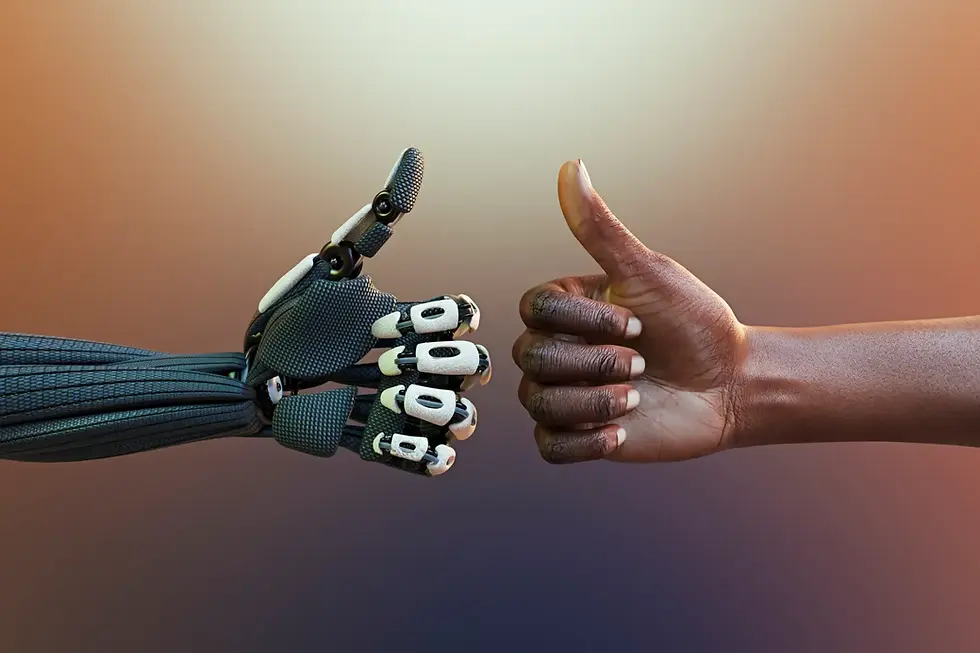
The ARI team, along with its co-founders, will integrate into Meta's AI business, specifically the Superintelligence Labs research sector. ARI secured an undisclosed seed funding round from the AI investment firm AIX Ventures. The startup was developing foundational models for humanoid robots to execute various forms of physical labor, including domestic tasks. Xiaolong Wang, a co-founder, was once a researcher at Nvidia and an associate professor at UC San Diego, possessing a distinguished array of accolades. Lerrel Pinto, co-founder and former NYU instructor, co-founded the child-sized humanoid business Fauna Robotics, which was acquired by Amazon last month, and has received numerous esteemed accolades.
ARI will assist Meta with its humanoid aspirations. This team, directed by Lerrel Pinto and Xiaolong Wang, will provide profound knowledge in the construction of our models and advanced capabilities for robot control and self-learning in whole-body humanoid control. Meta researchers have been developing humanoid robotics technology for several years. A year-old leaked memo outlined Meta's aspirations to develop a consumer-oriented robot, encompassing AI models and hardware.
Regardless of whether Meta introduces a consumer humanoid product, numerous AI specialists currently assert that achieving artificial general intelligence (AGI)—the hypothetical stage at which AI attains or exceeds human-level intelligence across all domains—will necessitate training AI models in the physical environment, where robots acquire knowledge through direct interaction rather than solely through data. The ARI and Fauna agreements exemplify a wider industry acceleration, characterized by disparate forecasts, ranging from Goldman Sachs' prediction of $38 billion by 2035 to Morgan Stanley's estimate of $5 trillion by 2050—an inconsistency that underscores both the substantial potential and the ambiguity surrounding technology that is still establishing itself.


Comments